


Most hidden water damage in Peoria homes never shows up as a puddle. It starts as a drip nobody sees. The first clue arrives weeks later, as a stain, a musty smell, or a patch of tile that feels warm underfoot.
Our team at Arizona Restoration Contractors has spent over 30 years opening up walls across the Phoenix Metro area. The leaks hide in the same six places almost every time. Here is where we look first.
Why Water Damage Hides So Well In Peoria Homes
Water hides here for two local reasons: slab construction and dry air. Homes sit on concrete instead of a basement, so a leak has nowhere low to collect. It spreads sideways under flooring and into the base of the walls.
Then the dry air finishes the disguise. The surface looks fine while the wood behind it stays soaked. Older homes near Old Town run on aging supply lines, and we have found new builds with an untightened fitting.

Swollen, dark cabinet board is an early sign of a sink leak.
Six Places Water Damage Quietly Starts
1. Under The Kitchen And Bathroom Sinks
The cabinet under a sink is the number one hiding place. Angle stops weep, drain connections loosen, and water soaks into raw particleboard. Clear it out twice a year and feel the back corner. Spongy board or a dark ring means trouble.
2. Behind The Washing Machine
Supply hoses fail at the crimp, where rubber meets metal. The drip lands behind the machine, the one spot in your laundry room you never look at. Pull it out once a year. Our guide to appliance leaks that turn into floods covers the fridge too.
3. Around The Water Heater
Water heaters seep before they burst. Look in the drain pan for a rusty ring or chalky buildup. Most sit in a garage or hall closet, so a slow leak can feed wall framing for months before anyone notices. If yours let go, our burst water heater cleanup walkthrough covers the rest.
4. Where Pipes Come Through The Slab
Slab leaks are the toughest to catch. The pipe sits under inches of concrete, so water wicks up into flooring and baseboards. Three clues: tile that feels warm underfoot, a water bill that jumped, and running water you hear with every fixture off.
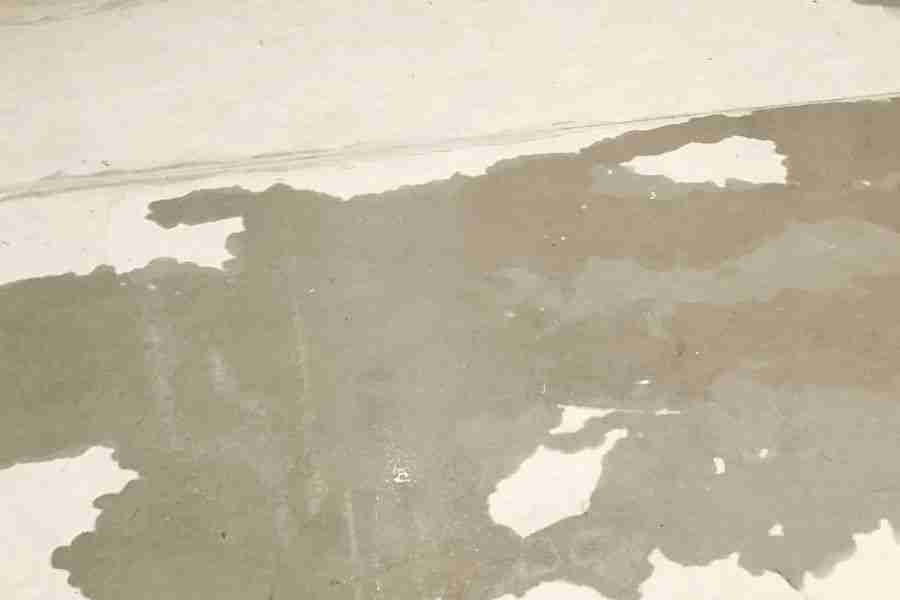
Slab homes give water nowhere to drain, so it spreads sideways under flooring instead and turns up rooms away from the source.
5. Ceilings Under The Roof Line
Monsoon rain finds every gap a roof has. The leak rarely drips straight through. Water runs along a truss and surfaces as a yellow ring in a corner, sometimes a room away from the hole. Check ceilings after the first big storm.
6. Window And Door Frames
Wind is what turns rain into an indoor problem. Research from the Insurance Institute for Business and Home Safety shows storm wind pushing water through windows and doors that shed rain fine on calm days. Check the inside bottom corners for bubbling paint or a soft edge.
How Fast A Small Leak Turns Into A Big One
The clock is why we push people to look early. The EPA advises drying wet materials within 24 to 48 hours to keep mold from taking hold. A hidden leak blows past that window before anyone knows it exists.
Open your two minute walkthrough checklist
- Empty both sink cabinets and feel the back corners.
- Look behind the washer at the hose crimps.
- Check the water heater pan for rust.
- Walk barefoot on tile and note warm patches.
- Scan ceilings for rings or flat, shiny spots.
- Press the trim at the bottom corners of windows.
Signs Of Hidden Water Damage And What They Mean
| Where | What you notice | What it usually means |
|---|---|---|
| Sink cabinet | Soft, dark board | A slow leak, dripping for weeks. |
| Tile floor | Warm patch | A hot water line under the slab. |
| Ceiling | Yellow ring | The roof or plumbing above is leaking. |
| Any room | Musty smell | Mold growing on something out of sight. |
What To Do When You Find A Wet Spot
Stop the water, then find out how far it went. Shutting a valve fixes the leak, not the damage, because wet material keeps spreading moisture.
- Shut off the supply to that fixture, or the main.
- Photograph everything before you move or dry anything. Your insurer will want it.
- Move furniture off the damp flooring.
- Keep windows shut and run the AC, since monsoon air adds humidity.
- Get the wet area measured instead of guessed at.
That last step is where most people go wrong. A dinner plate sized stain often hides three feet of wet wall on either side. Our crews at Arizona Restoration Contractors use a thermal imaging inspection and meters to find the real edges.
Speed decides how big the job gets, which is why waiting on water damage costs more. If mold started, our professional mold remediation crews contain the area first. We bill your insurer directly.
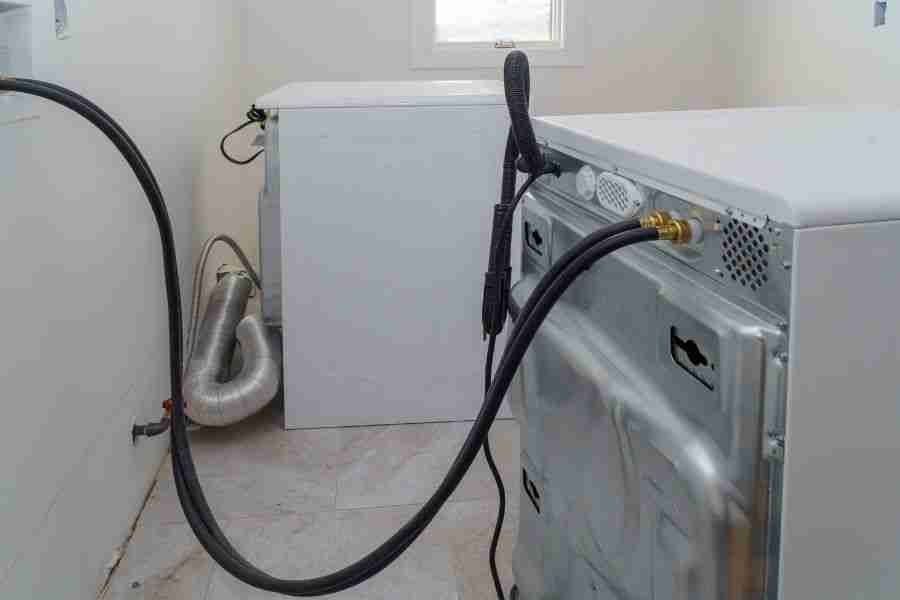
Pull your washer out twice a year. Braided lines fail at the connection, and that wall behind it stays wet very quietly.
Week one instead of month six is the difference between drying and rebuilding. If any of these six spots looked suspicious, our IICRC certified team at Arizona Restoration Contractors handles water damage restoration in Peoria around the clock.
FAQs About Hidden Water Damage
How do I tell if a stain is old damage or an active leak?
Press it. An active leak leaves the material soft and cool. An old dry stain feels hard and papery. A meter settles it, since it reads moisture behind the surface.
Can a hidden leak grow mold in Arizona’s dry air?
Yes. Dry room air does not help a wall cavity holding water against wood. Those pockets stay humid for weeks, which is why we find mold behind cabinets in June.
Do you have to cut into the wall to check?
Not to check. Meters and thermal cameras read moisture through the surface. We only open a wall once the readings show water inside.
Does insurance cover a leak I did not know about?
It depends on the cause. Policies commonly cover sudden failures like a burst hose. Long term seepage is often excluded. We document readings and photos from day one.


 Request Quote
 Call Now