Water Damage → Mold → Health Issues: Full Breakdown
Did you know that nearly 1 in 3 homes in the U.S. has experienced some form of water damage, and within 24–48 hours, mold can begin to grow? In a dry climate like Phoenix, this might sound surprising, but when water damage occurs, it creates the perfect environment for mold to thrive indoors. From burst pipes to monsoon flooding, even a small leak can spiral into a major health hazard if left untreated.
Homeowners searching for Water Damage Restoration Near Me often don’t realize the chain reaction that begins with moisture and ends with serious health concerns. This blog breaks down everything, from water intrusion to mold growth and its impact on your well-being, while helping you make informed, expert-backed decisions.
Understanding Water Damage in Phoenix
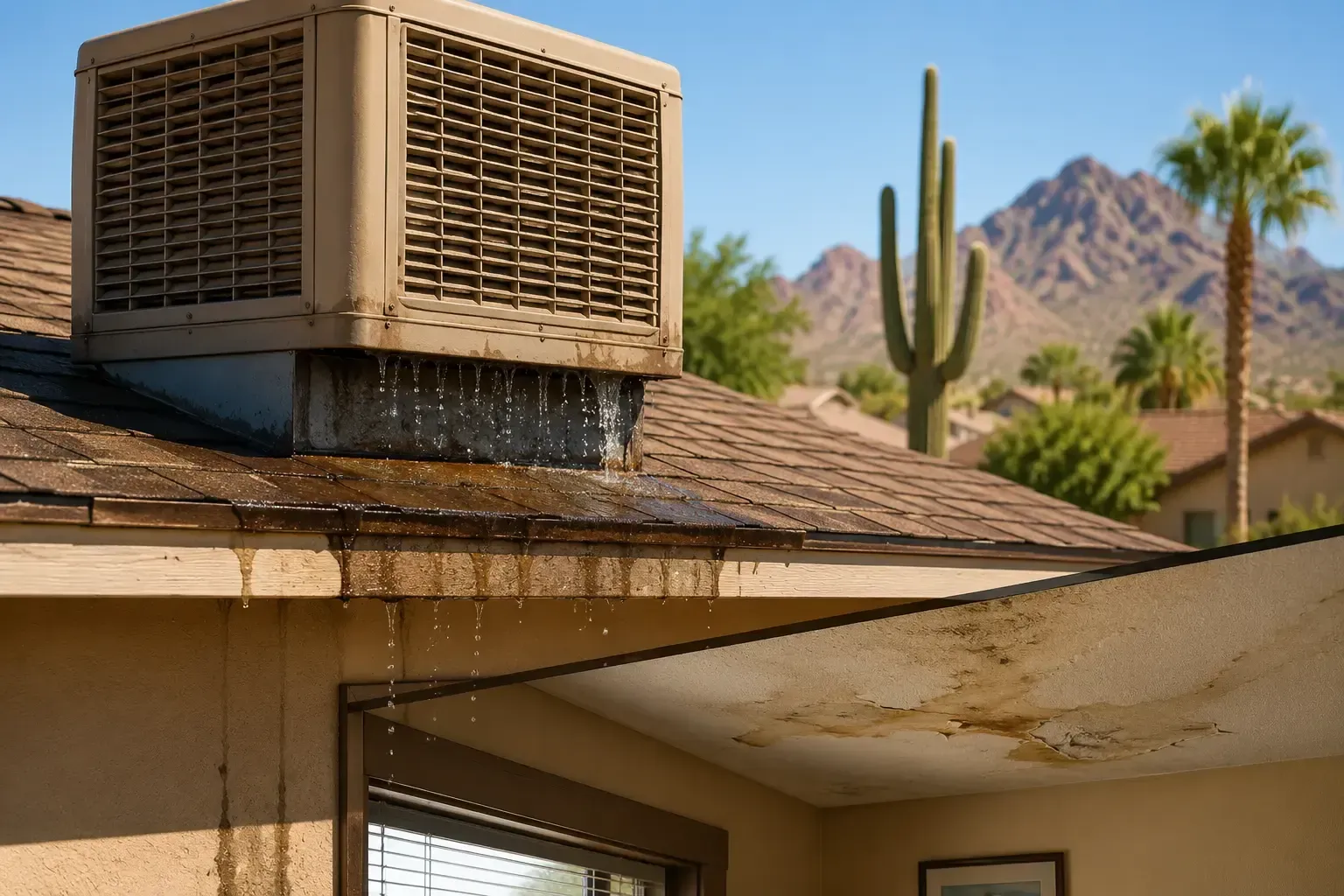
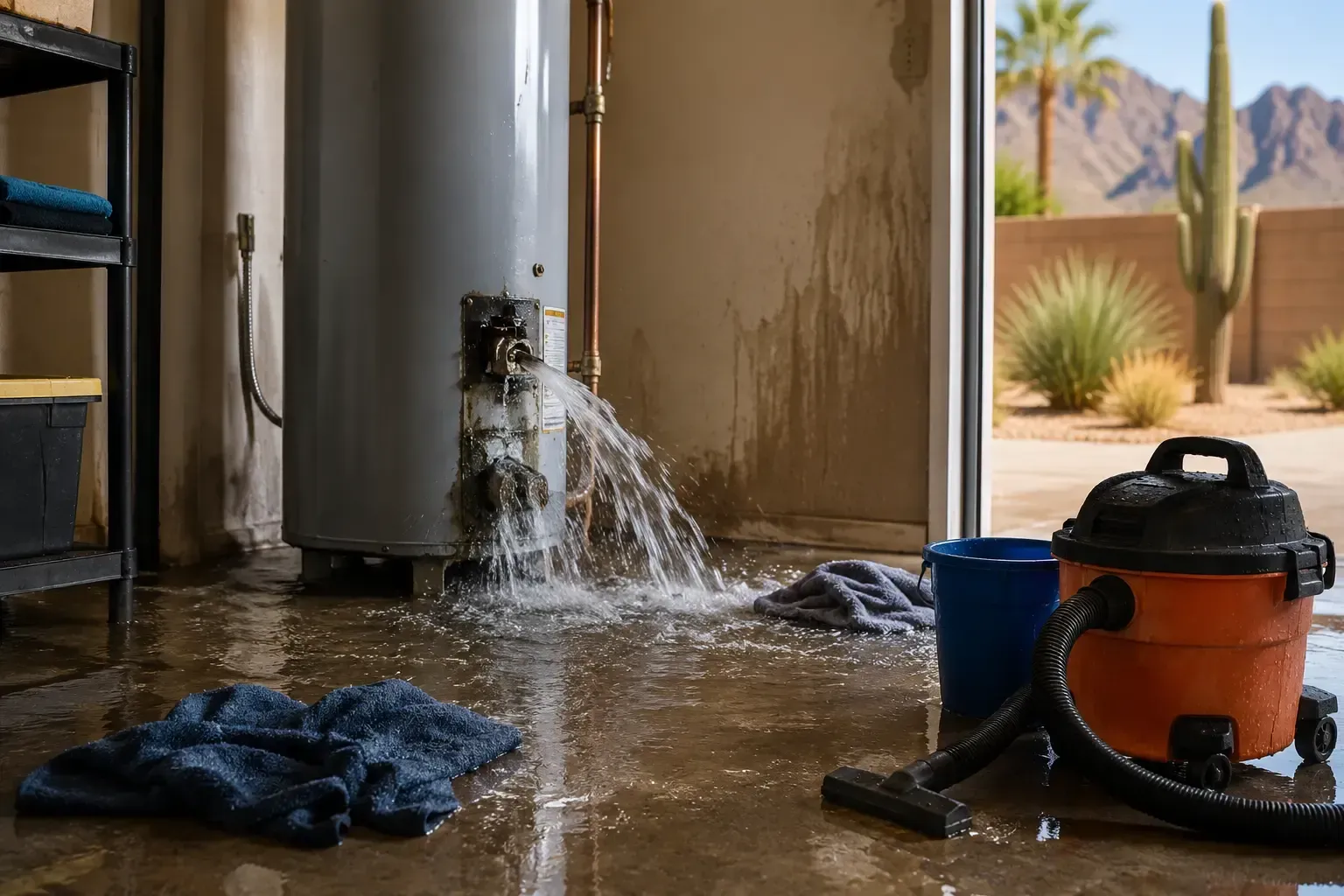
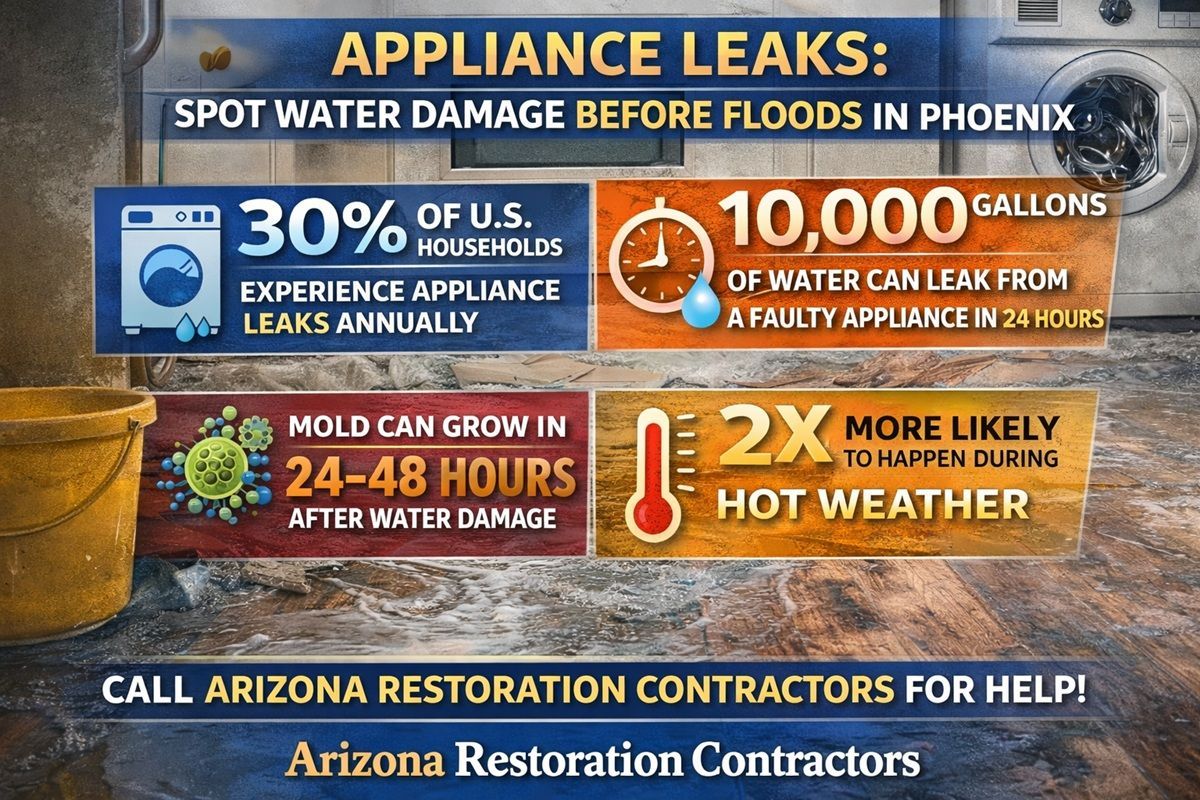
Water damage in Phoenix is often underestimated due to the region’s arid climate. However, factors such as plumbing failures, appliance leaks, and seasonal monsoons can cause significant indoor moisture buildup.
When water infiltrates walls, floors, or ceilings, it doesn’t just stay on the surface. It seeps deep into materials like drywall and wood, creating hidden pockets of moisture. This is where the need for professional Water Damage Restoration Phoenix services becomes crucial. Without proper drying and treatment, the damage can escalate rapidly.
How Water Damage Leads to Mold Growth
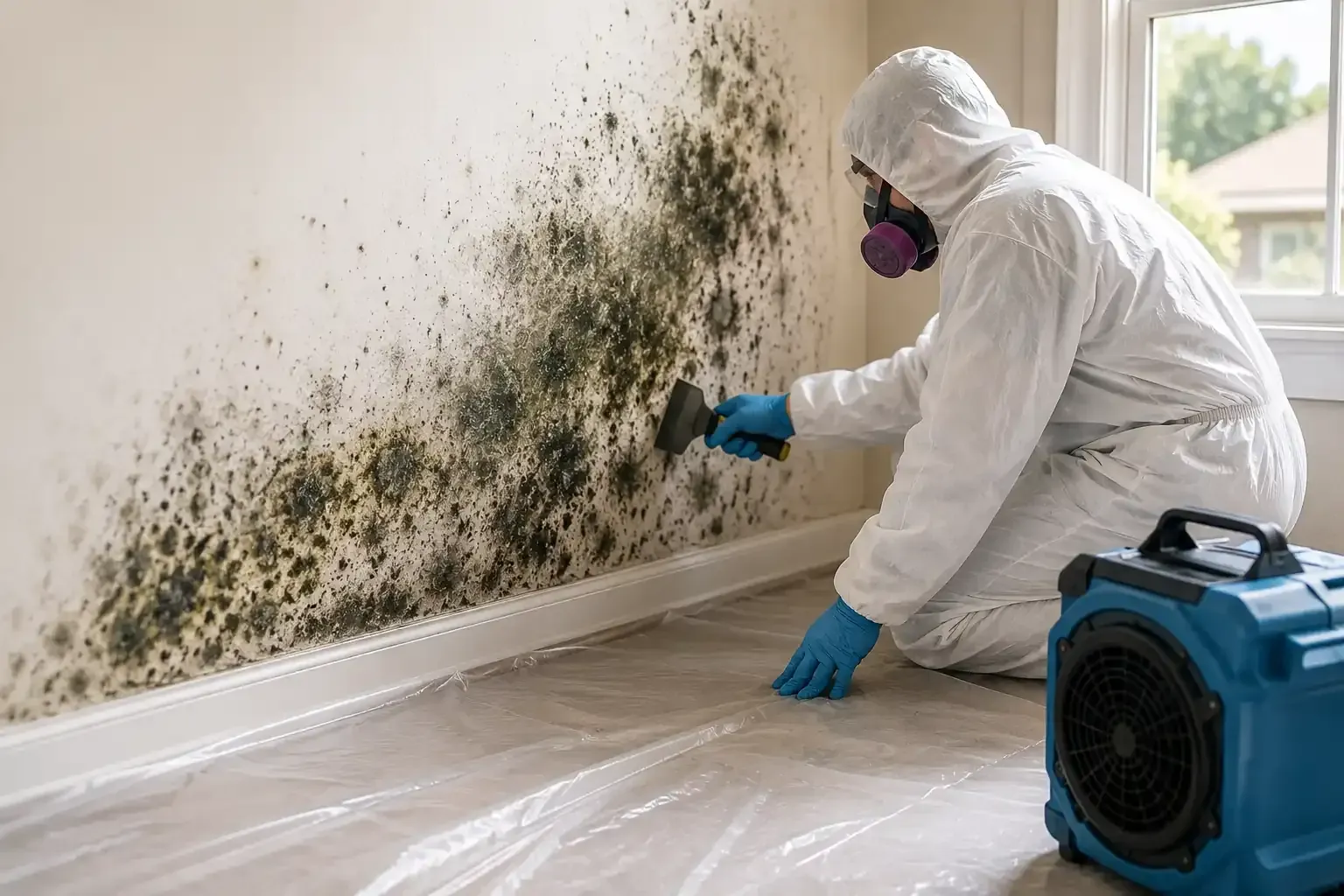
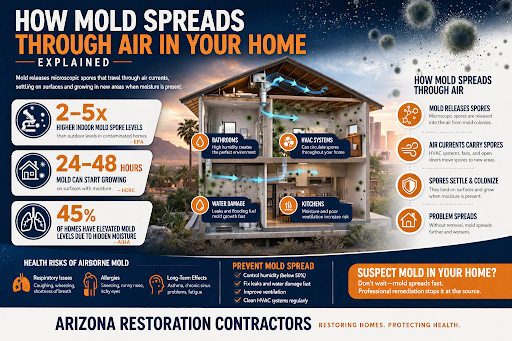
Mold spores are naturally present in the air, but they require moisture to grow. Water damage provides the ideal conditions, humidity, organic material, and warmth for mold to spread quickly.
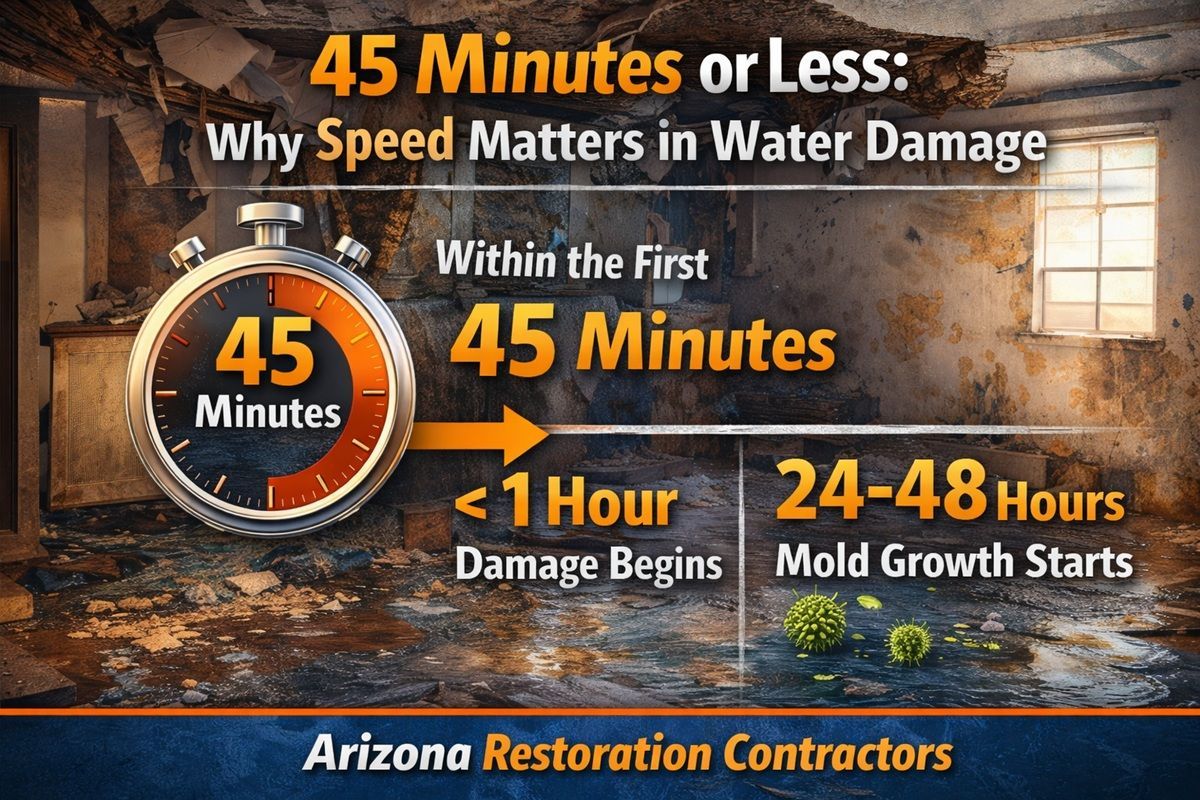
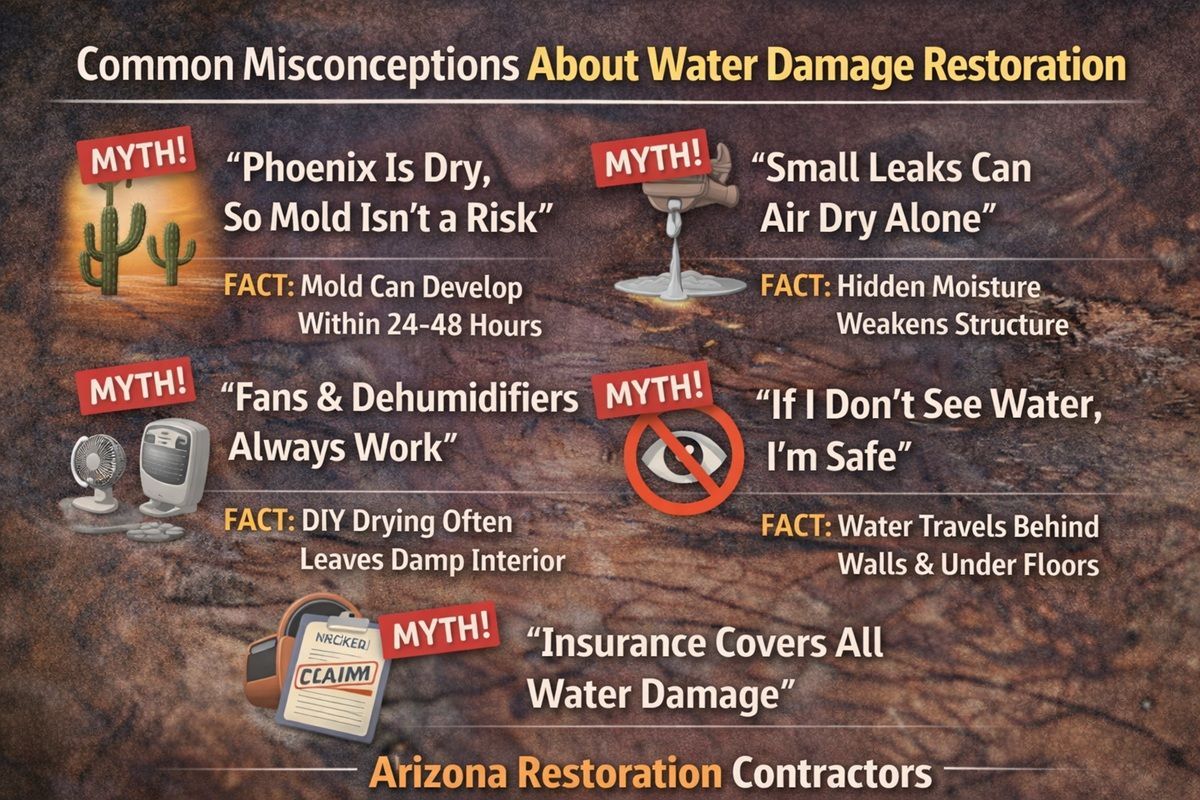
Within 24 to 48 hours, mold colonies can begin forming on damp surfaces. This is why addressing water damage promptly is critical. Many homeowners delay action, thinking the problem will dry out on its own. Unfortunately, this often leads to more severe contamination, requiring extensive Water Damage Phoenix solutions later.
Types of Mold Found in Water-Damaged Homes
Not all mold is the same. Different types can develop depending on the level of moisture and materials affected. Common types include:
- Aspergillus: Often found in air conditioning systems and walls
- Cladosporium: Grows on fabrics and wood surfaces
- Stachybotrys (Black Mold): Highly toxic and linked to severe health issues
Each type poses varying levels of risk, and professional assessment is essential. Searching for Water Damage Restoration Near Me can connect you with specialists who can identify and safely remove these molds.
Health Issues Caused by Mold Exposure
Mold exposure is not just an aesthetic or structural problem; it directly impacts your health. The severity depends on exposure duration, mold type, and individual sensitivity.
- Respiratory Problems
Mold spores can irritate the respiratory system, leading to coughing, wheezing, and throat irritation. People with asthma or allergies are particularly vulnerable. - Allergic Reactions
Symptoms may include sneezing, a runny nose, skin rashes, and red eyes. These reactions can worsen over time if exposure continues. - Long-Term Health Risks
Prolonged exposure to toxic mold can lead to chronic sinus infections, fatigue, and even neurological issues in severe cases. This is why timely Water Damage Restoration Phoenix intervention is critical—not just for your home, but for your family’s health.
Why Immediate Restoration Matters
Delaying restoration can turn a minor issue into a costly and hazardous situation. Water damage weakens structural integrity and promotes mold growth, increasing repair costs significantly.
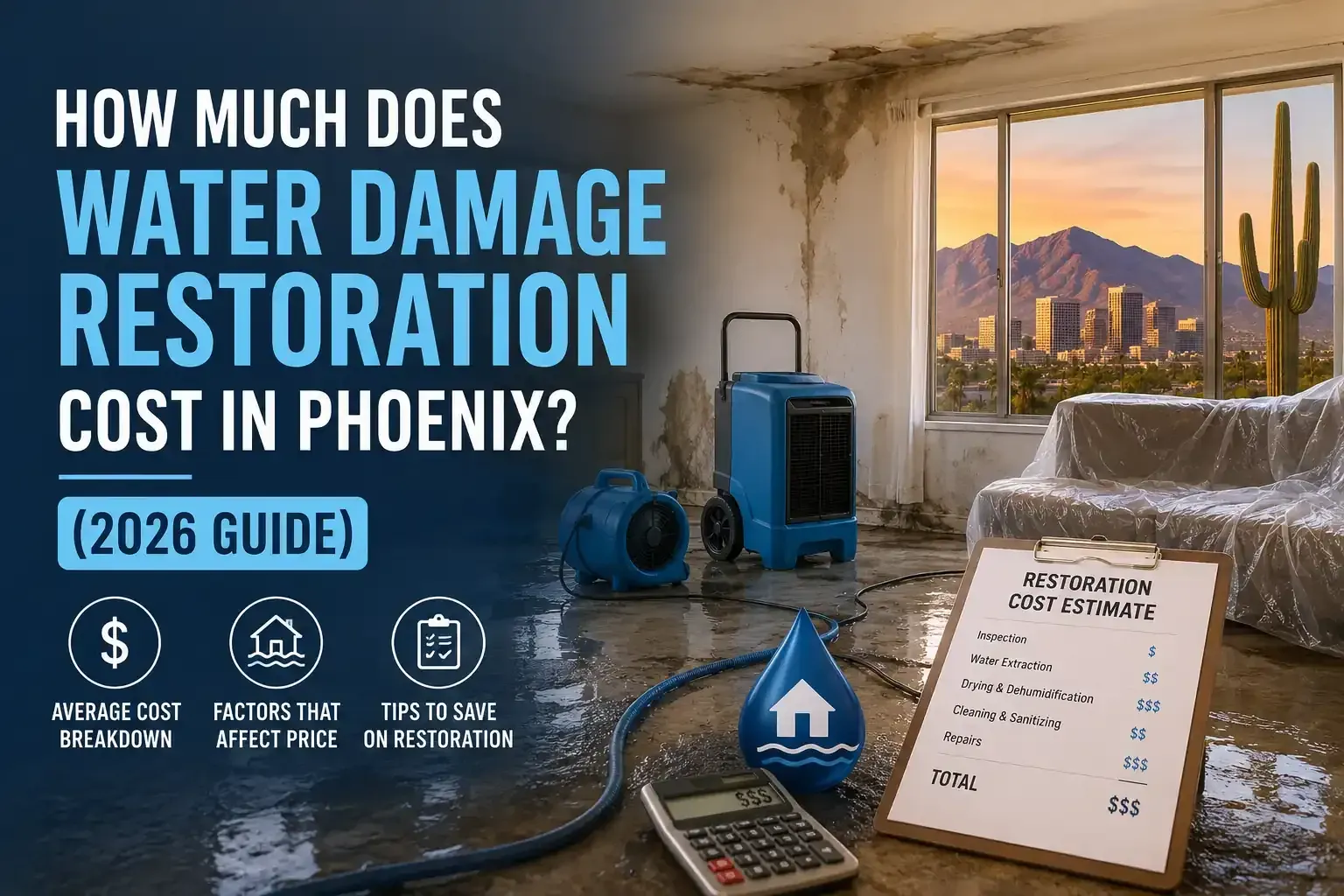
Professional restoration involves water extraction, drying, dehumidification, and sanitization. Experts use advanced tools like moisture meters and industrial dryers to ensure no hidden moisture remains. Opting for reliable Water Damage Phoenix services ensures the problem is addressed at its root.
Prevention Tips for Phoenix Homeowners
Preventing water damage is always better than dealing with its consequences. Here are practical steps to protect your home:
- Regular Inspections
Check plumbing, roofs, and appliances regularly for leaks or wear and tear. Early detection can save you from major repairs. - Proper Ventilation
Ensure good airflow in bathrooms, kitchens, and laundry areas. This reduces humidity levels and prevents mold growth. - Immediate Cleanup
If water damage occurs, act quickly. Even small spills should be dried thoroughly to prevent moisture buildup. - Professional Help
When in doubt, don’t hesitate to contact experts. Searching for Water Damage Restoration Near Me can help you find local professionals who can respond quickly and efficiently.
Conclusion: Rely On Experts to Keep Water Damage at Bay
Water damage is more than just a structural issue; it’s the starting point of a chain reaction that can severely impact your home and health. From hidden moisture to toxic mold growth, the risks escalate quickly if not addressed properly.
Taking immediate action, understanding the warning signs, and relying on professional expertise can make all the difference. Whether it’s a minor leak or major flooding, timely restoration ensures your home remains safe, healthy, and secure.
Arizona Restoration Contractors
is a trusted name in Phoenix, specializing in comprehensive water damage and mold remediation services. With years of experience and a commitment to quality, our team uses advanced technology and proven methods to restore homes efficiently.
Frequently Asked Questions (FAQs)
1. How quickly does mold grow after water damage?
Mold can begin growing within 24–48 hours after water exposure, especially in warm and humid conditions.
2. Can I remove mold myself?
Small patches can be cleaned, but extensive mold requires professional removal to ensure safety and complete eradication.
3. Is water damage always visible?
No, water can seep into hidden areas like walls and floors, making professional inspection essential.
4. What are the first signs of mold?
Musty odors, discoloration on walls, and increased allergy symptoms are common early indicators.
5. How can I prevent mold after water damage?
Quick drying, proper ventilation, and professional restoration are key to preventing mold growth.