Swamp Cooler Leaks & Water Damage in Arizona
Swamp coolers keep Arizona homes comfortable through brutal summers. But these rooftop units sit right above your ceilings. When one leaks, water runs straight down into the home. A small drip can become a major repair fast. Here is how swamp cooler leaks cause water damage and what to watch for.
Key Takeaways
- Swamp coolers use water, so a failure can flood the ceiling below.
- Worn float valves, rusted pans, and clogged lines are common leak causes.
- Catching a leak early prevents ceiling damage and mold growth.
Why Swamp Coolers Leak
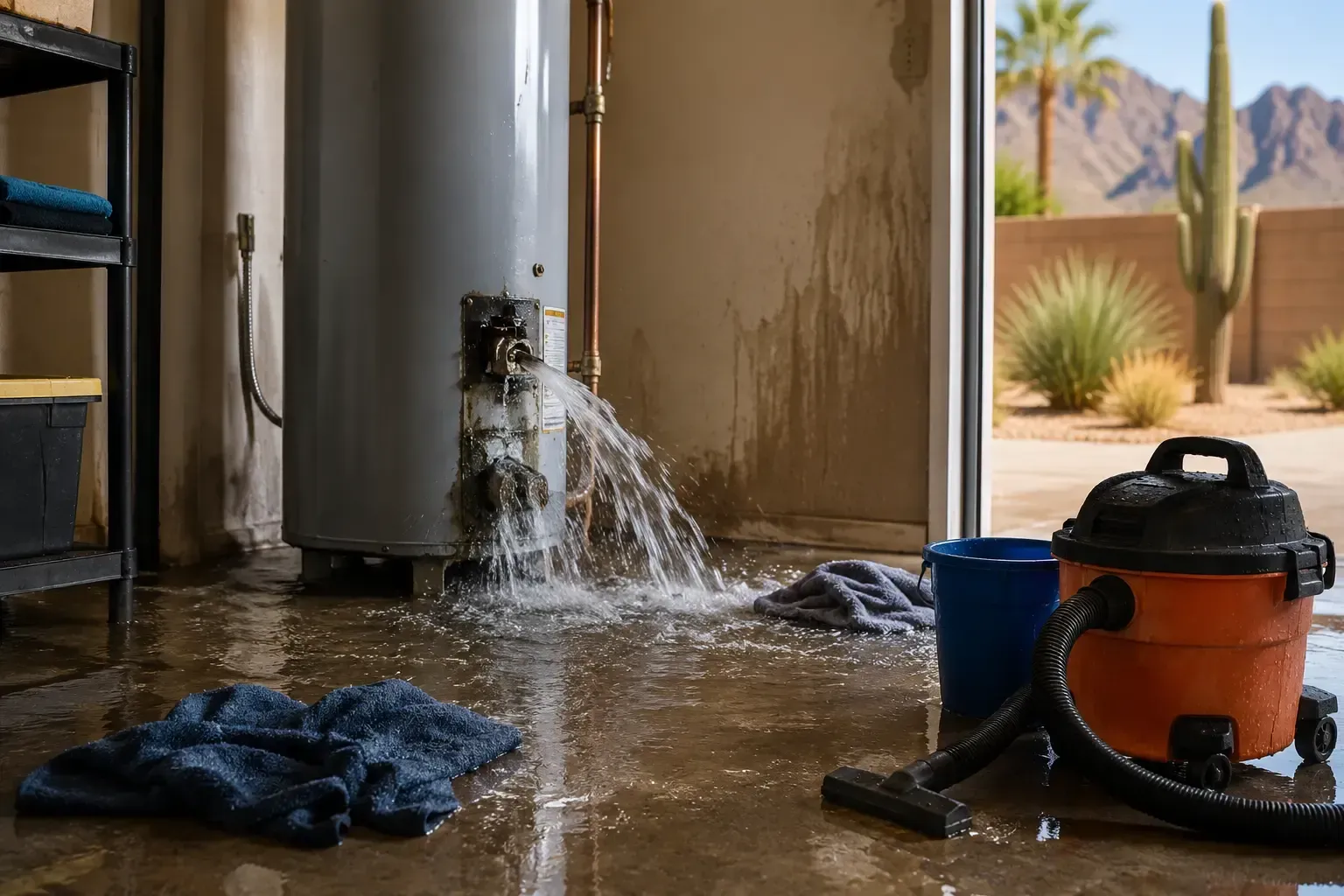
Evaporative coolers rely on water and moving parts. Over time, those parts wear out. The float valve can stick and overfill the pan. The pan itself can rust through and drip. The U.S. Department of Energy explains how evaporative coolers work and why upkeep matters.
How a Leak Damages Your Home
Most swamp coolers sit on the roof. A leak follows gravity down into the ceiling. Drywall stains, sags, and can eventually collapse. Wet insulation loses its value and traps moisture. Prompt water damage restoration in Phoenix dries every hidden layer.
Warning Signs to Watch For
Catch a leak before it spreads:
- Brown stains on the ceiling under the cooler.
- Dripping or pooling water near vents.
- A musty smell in rooms below the unit.
- Bubbling paint or sagging drywall overhead.
How to Keep Your Swamp Cooler From Leaking
Routine care prevents most cooler leaks. Check the float valve and pan each season. Clear mineral buildup from the water lines. Replace worn parts before summer starts.
A yearly tune-up catches small problems early. Look for rust on the pan and panels. Make sure the water line fits tight. Simple upkeep saves a costly ceiling repair.
What to Do the Moment You Spot a Leak
Quick action limits the damage. Turn off the water supply to the cooler. Place a bucket to catch active drips. Move furniture out from under the stain.
Then check the ceiling and rooms below. Photograph the damage for your records. Do not ignore a small brown stain. It often hides a larger wet area.
How Phoenix Heat Makes Leaks Worse
Arizona heat speeds up every problem. Warm air dries the surface but not the structure. Hidden moisture stays trapped inside the ceiling. That warm, damp pocket is ideal for mold.
Heat also stresses cooler parts. Pans and seals wear faster in summer. Daily use raises the chance of a leak. Regular checks matter most in peak season.
Can Mold Grow From a Swamp Cooler Leak?
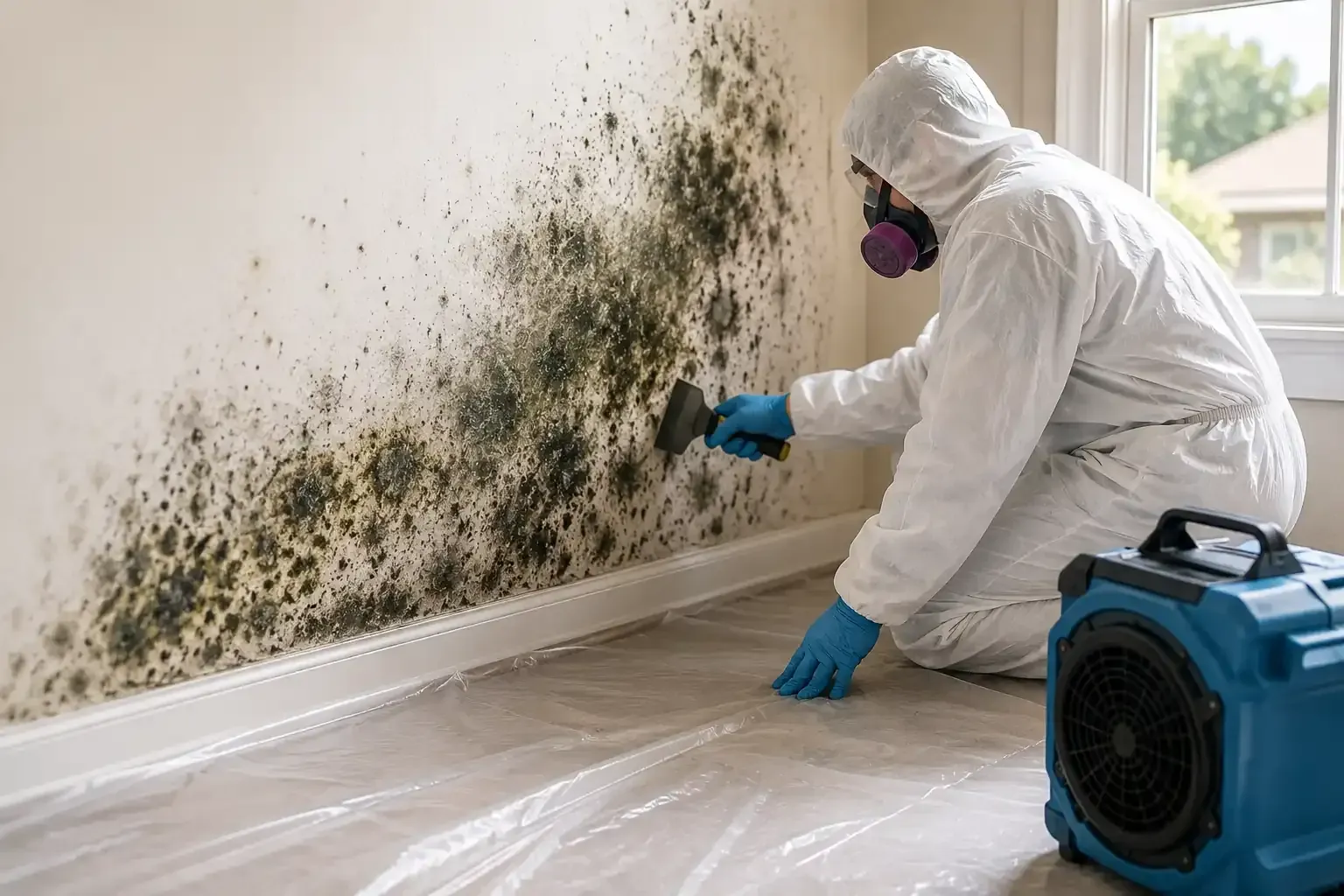
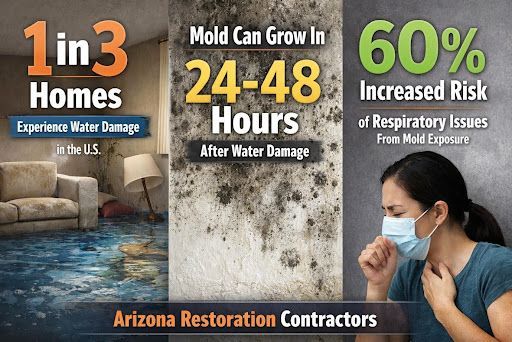
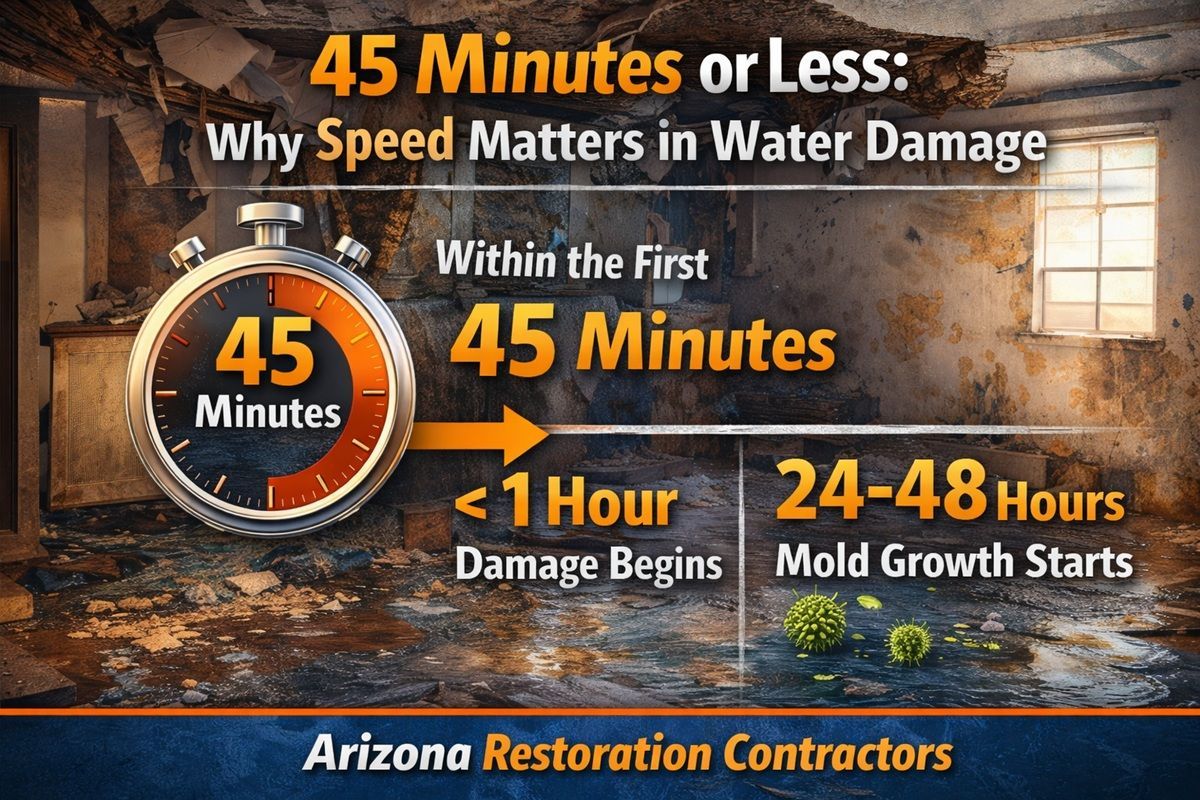
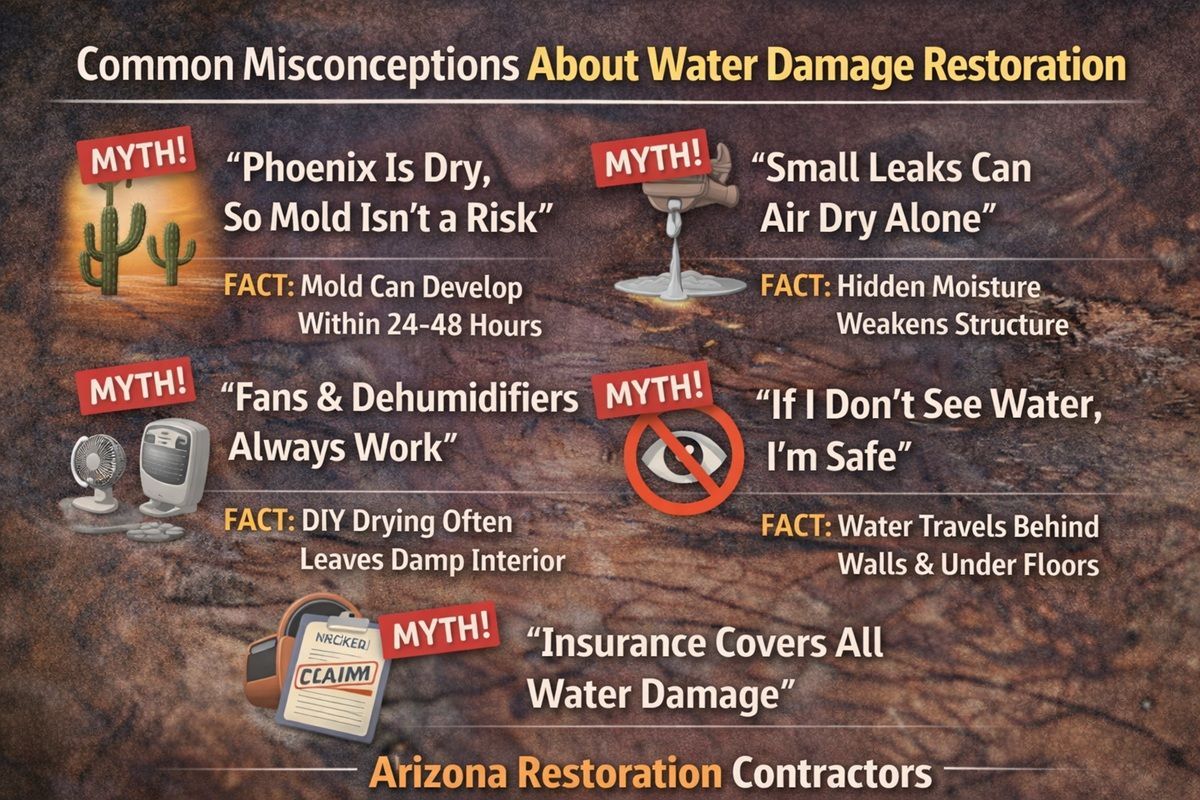
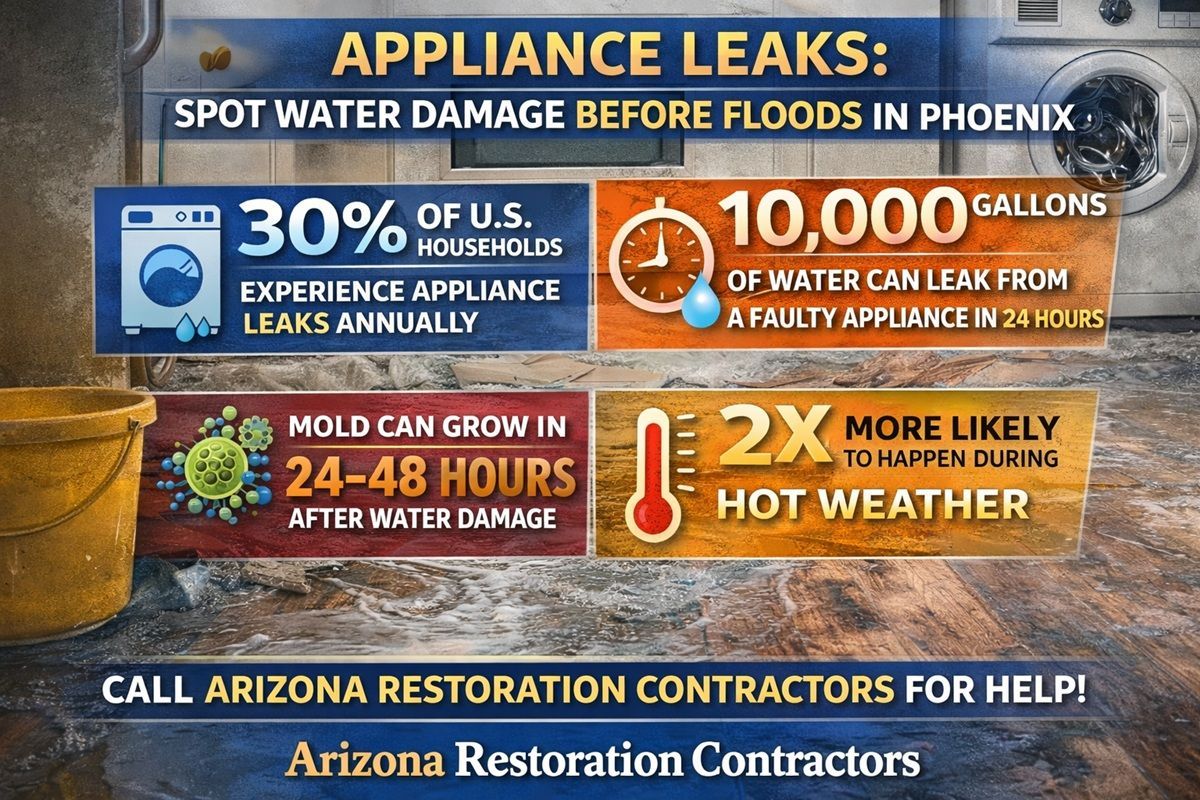
Yes, and Arizona's heat speeds it up. The EPA notes mold can grow within 24 to 48 hours of moisture. A slow cooler leak gives mold the damp it needs. Fast water damage restoration and water extraction stop the spread. Surface drying alone leaves moisture behind.
How Pros Dry a Water-Damaged Ceiling
Surface drying is never enough. Pros open and inspect the wet area. They run air movers and dehumidifiers. Moisture meters confirm the ceiling is dry.
This reaches the water you cannot see. It dries insulation and framing too. That thorough work prevents mold and sagging. Verified drying is the real goal.
When to Replace an Old Swamp Cooler
An aging cooler leaks more often. Rust and worn seals are warning signs. Frequent repairs add up over time. A new unit can be the smarter fix.
Replacement also lowers your leak risk. Newer pans and valves last longer. Ask a pro whether repair makes sense. Sometimes replacement protects your ceiling best.
Protect the Room Below Your Cooler
The room under the cooler faces the most risk. Move valuables away from that ceiling. Watch it closely during cooling season. A small stain is an early warning.
Keep furniture clear of the danger zone. Check the ceiling after heavy use. Catching a drip early saves the drywall. Quick action keeps the damage small.
Why Roof-Mounted Units Add Risk
A rooftop cooler sits right above your home. Any leak follows gravity straight down. The water hits the ceiling first. From there it spreads into the walls.
Roof units are also harder to inspect. Problems hide until a stain appears. That is why seasonal checks matter. Early upkeep prevents a major repair.
Frequently Asked Questions
Is it normal for a swamp cooler to leak water?
A little condensation can be normal. Steady dripping or pooling is not. Persistent leaks signal a part that needs repair.
Can mold grow in a swamp cooler?
Yes, the damp interior can harbor mold. Mold can also grow in the wet ceiling below a leak. Regular cleaning and fast leak repair help prevent it.
How do I know if a cooler leak damaged my ceiling?
Look for stains, sagging, or a musty smell below the unit. Damp insulation is another clue. A moisture meter confirms hidden dampness.
How often should a swamp cooler be serviced?
Service it at least once before summer. Many homes benefit from a mid-season check too. Regular upkeep prevents most leaks.
Should I repair the cooler myself or call a pro?
Minor float adjustments can be a DIY task. Water already in your ceiling needs a restoration pro. They dry the structure and check for mold.
Stop the Drip Before It Spreads
A leaking swamp cooler rarely fixes itself, and the damage grows. Our Arizona Restoration Contractors team dries Phoenix ceilings from the source down. When you spot a stain, our water damage restoration crew can respond fast. You can contact Arizona Restoration Contractors for help.