Water Heater Burst? Cleanup Steps for Your Phoenix Home
A water heater holds dozens of gallons under pressure. When one fails, that water floods out fast. Many Phoenix heaters sit in garages or interior closets. A burst tank can soak floors and walls within minutes. Here is exactly what to do when it happens.
Key Takeaways
- Shut off the water and power to the heater first.
- Move belongings and document the damage for insurance.
- Fast drying prevents mold and protects floors and drywall.
First Steps When a Water Heater Bursts
Act quickly but stay safe:
- Shut off the cold water valve on top of the heater.
- Turn off the power or gas to the unit.
- Move furniture and belongings out of the water.
- Mop or vacuum up standing water if you can.
- Photograph everything for your insurance claim.
Why Water Heaters Burst
Tanks fail for a few common reasons. Years of sediment build up inside. That sediment traps heat and stresses the metal. Rust then weakens the tank wall.
High water pressure adds more strain. A failing pressure valve makes it worse. Most tanks last about eight to twelve years. An aging heater is a burst waiting to happen.
Why Speed Matters
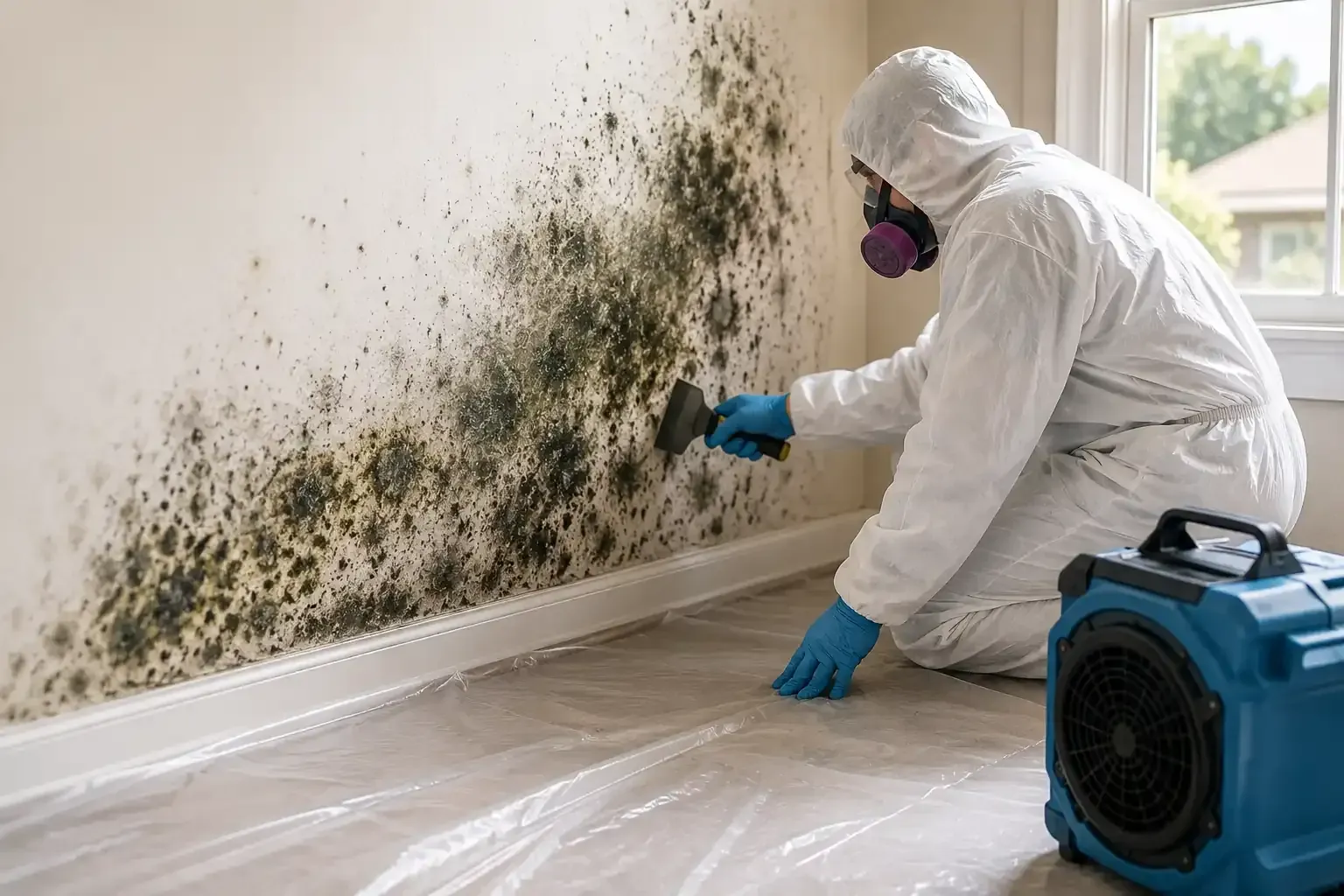
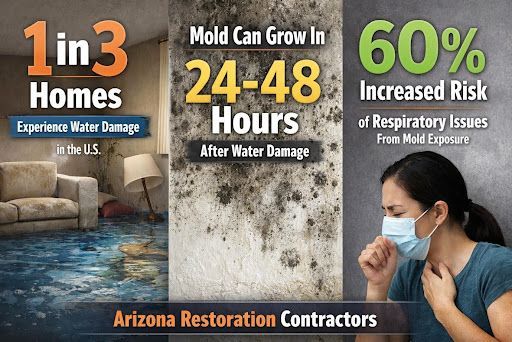
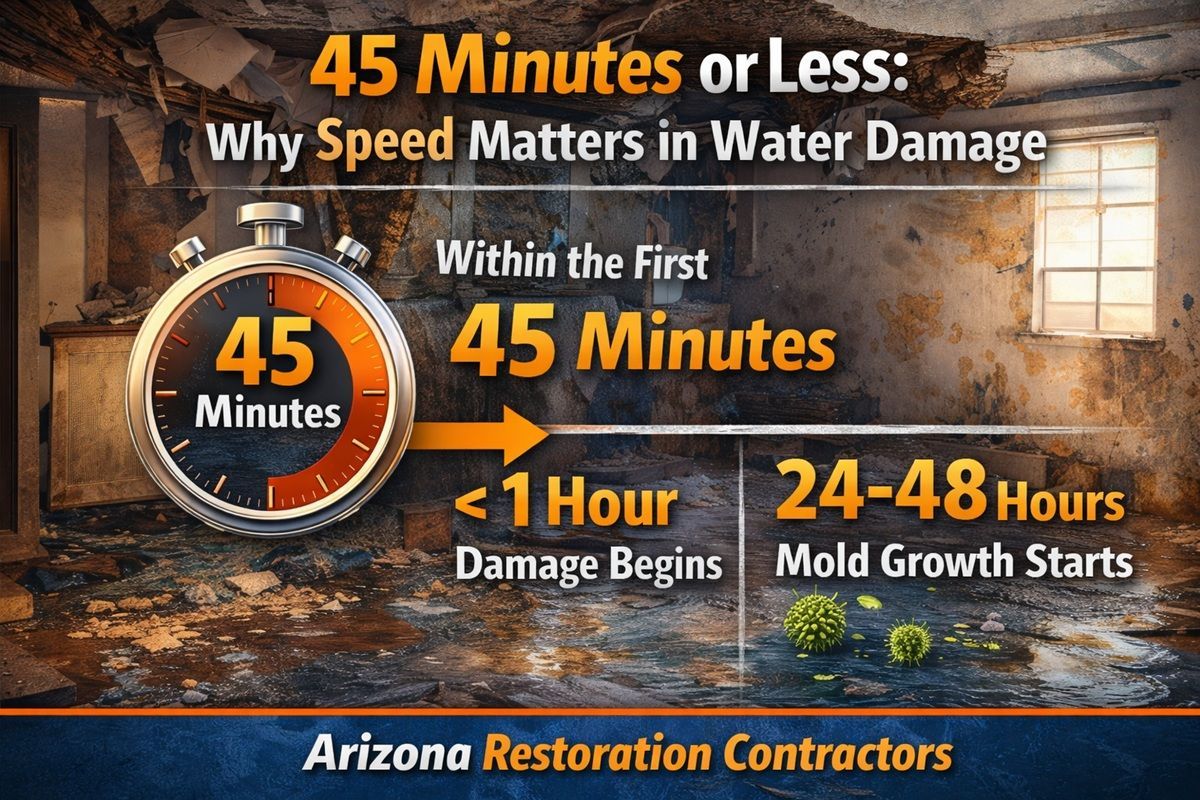
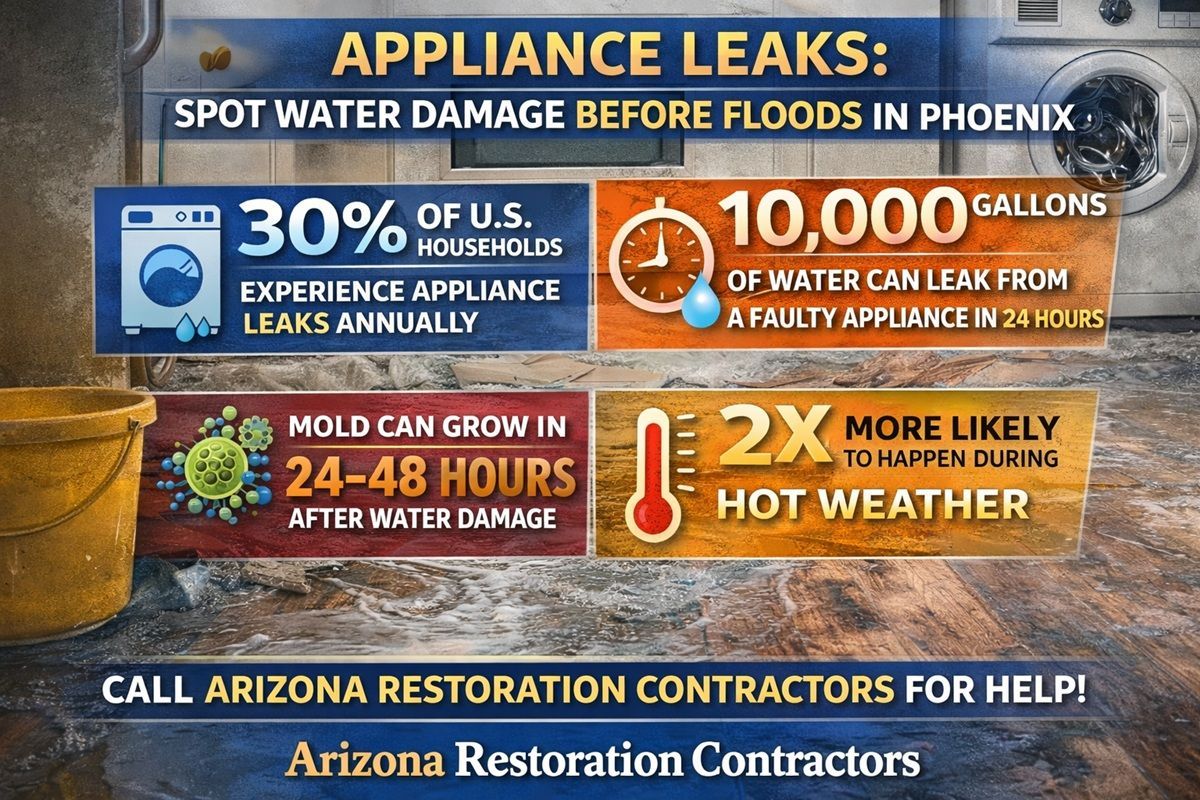
Water spreads through a home in minutes, not hours. It seeps under flooring and into walls. The EPA notes mold can grow within 24 to 48 hours of moisture. The faster you dry the area, the less damage you face. Phoenix heat can speed mold growth indoors.
Where the Hidden Damage Goes
The puddle you see is only the start. Water wicks into baseboards and drywall. It slips under tile and laminate flooring. Garage water can reach interior walls.
That hidden moisture is the real risk. It feeds mold behind the surface. Standard towels never reach it. Only thorough drying solves the problem.
Will Insurance Cover the Damage?
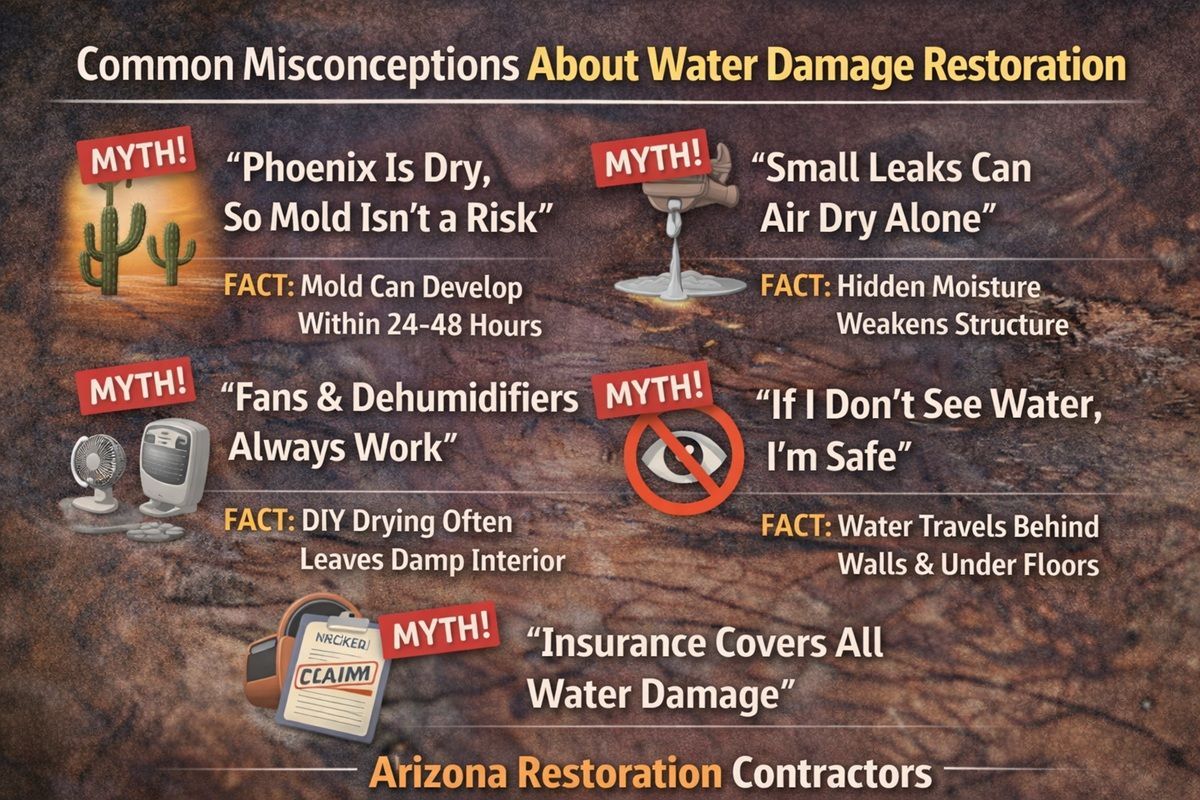
Sudden water heater bursts are often covered. Gradual leaks and neglect usually are not. The Insurance Information Institute notes water damage is a leading home claim. Document the burst and report it promptly.
How to Prevent a Future Burst
A little maintenance extends a heater's life. Flush the tank once a year to clear sediment. Check the pressure relief valve for function. Watch for rust around the base.
Know your heater's age and condition. Replace it before it fails on its own. A small drip is an early warning. Acting early prevents a major flood.
Why Call a Restoration Pro
Mopping up the surface is not enough. Water hides under floors and inside walls. Professional water damage restoration in Phoenix finds and dries it all. Pros use structural drying with meters and air movers. That thorough drying prevents mold and warping.
Common Phoenix Water Heater Locations
Phoenix homes place heaters in tricky spots. Many sit in the garage against a wall. Others hide in an interior hall closet. A few rest in the attic above living space.
Location changes how the water spreads. A garage burst can reach interior walls. An attic burst soaks the ceiling below. Knowing the spot helps the cleanup plan.
How to Spot a Failing Water Heater
Most heaters warn you before they burst. Look for rust-colored water from the tap. Listen for popping or rumbling sounds. Watch for moisture around the base.
A small leak is a serious signal. The tank may fail completely soon. Replace an aging, leaking heater early. That prevents a sudden indoor flood.
Protect Your Floors After a Burst
Flooring takes the worst of a burst. Water seeps under tile and laminate. Wood floors can cup and warp fast. Quick extraction protects what is salvageable.
Lift area rugs and wet items right away. Get air moving across the floor. A pro can dry beneath the surface. That saves many floors from replacement.
Frequently Asked Questions
What happens if a hot water heater bursts?
Gallons of water flood out under pressure. It spreads fast across floors and into walls. Quick shutoff and drying limit the damage.
Will homeowners insurance cover a busted water heater?
The resulting water damage is often covered. The heater itself may not be if it simply wore out. Report the loss quickly and document it.
Is a water heater ruined if it gets wet?
A burst tank usually needs replacement. Surrounding electrical parts may also be damaged. A plumber can confirm what is salvageable.
How long does a water heater usually last?
Most tanks last eight to twelve years. Hard water can shorten that life. Annual flushing helps it last longer.
How long does cleanup take?
Drying typically takes three to five days. Larger floods or hidden moisture take longer. A moisture check confirms when it is dry.
Act Fast, Dry It Right
A burst water heater is a race against spreading water. Our Arizona Restoration Contractors team dries Phoenix homes quickly and completely. After a burst, our water damage restoration team can extract and dry fast. You can contact Arizona Restoration Contractors right away.